Chopcticks Making WS

Overview
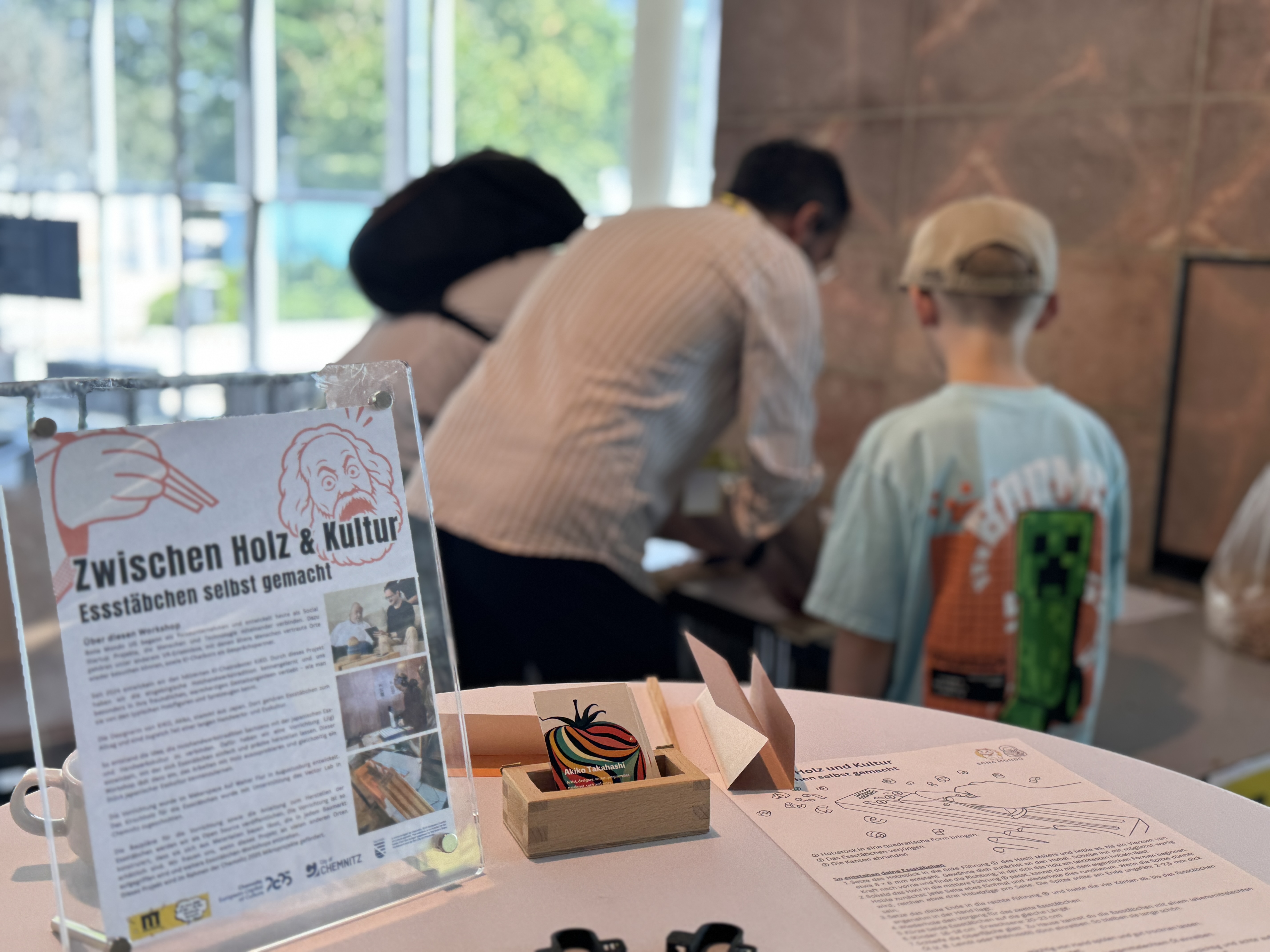
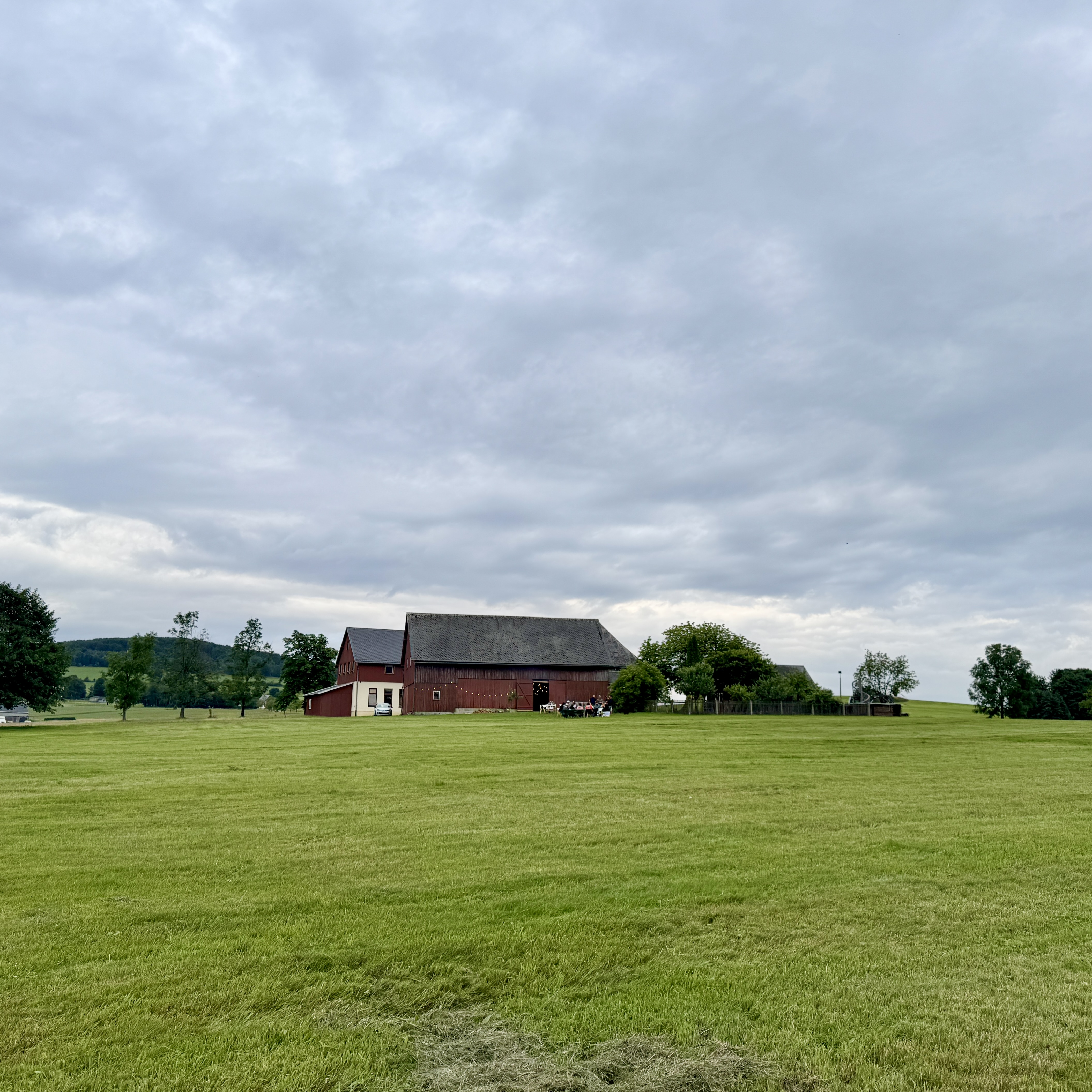
At Makers United Fest on 27 June 2026, we offered chopsticks making workshop. The workshop is part of "Zwischen Holz und Kultur – Essstäbchen selbst gemacht", one of the Chemnitz 2025 micro projects.
A microproject of the European Capital of Culture Chemnitz 2025 gGmbH. This project is co-funded by the Free State of Saxony through tax revenues allocated by the Saxon State Parliament, and by the City of Chemnitz. (🇩🇪 Ein Mikroprojekt der Kulturhauptstadt Europas Chemnitz 2025 gGmbH. Diese Maßnahme wird mitfinanziert durch Steuermittel auf der Grundlage des vom Sächsischen Landtag beschlossenen Haushaltes sowie der Stadt Chemnitz.)
Idea
I had long wanted to make my own chopsticks because it was difficult in Germany to find ones that suited my preferences; simple wooden ones.
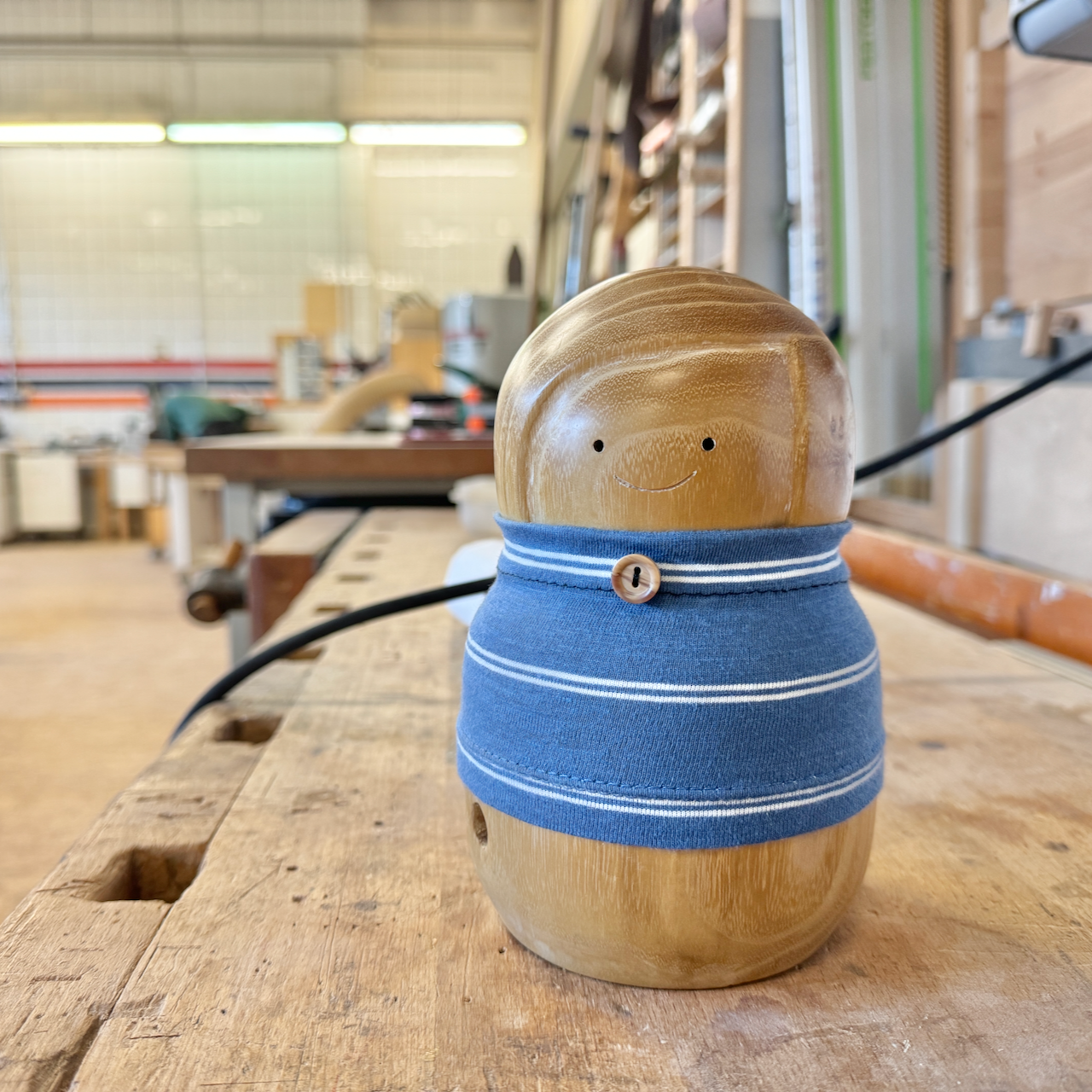
Through renting a garden and working on wooden chat robot KIKO/Puppie, I became more fan of wood and fascinated by the woodworking culture of Saxony.
I began to imagine a workshop bridging Japanese food culture and Saxon woodworking traditions.
Design Process
Initially, I thought about shaping chopsticks by hand using a carving knife.
When I shared the idea with Paula Meier (@paumeiker), the manager of auf weiter flur, she introduced me a tool called a chopsticks jig, which helps shape chopsticks evenly.
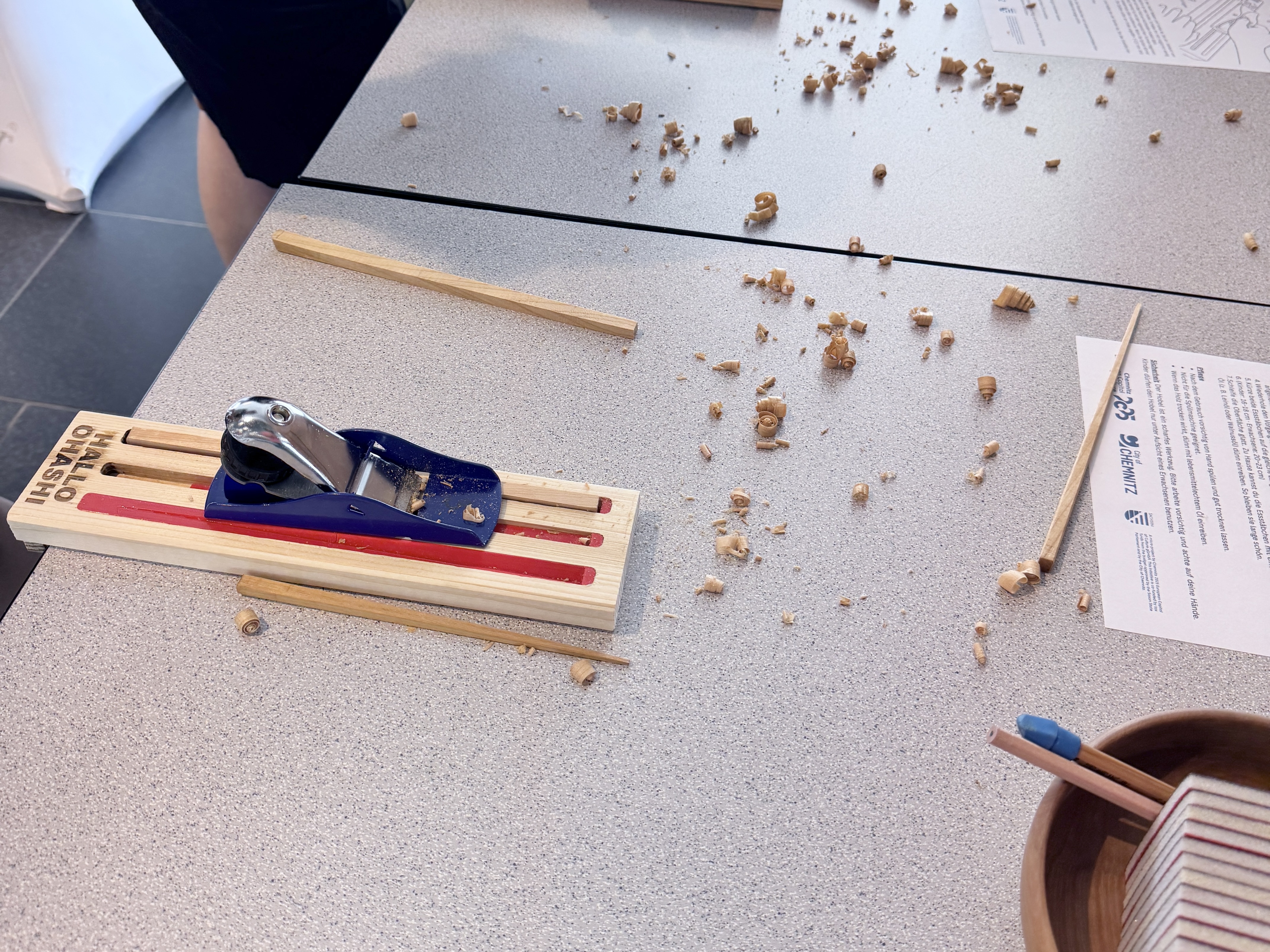
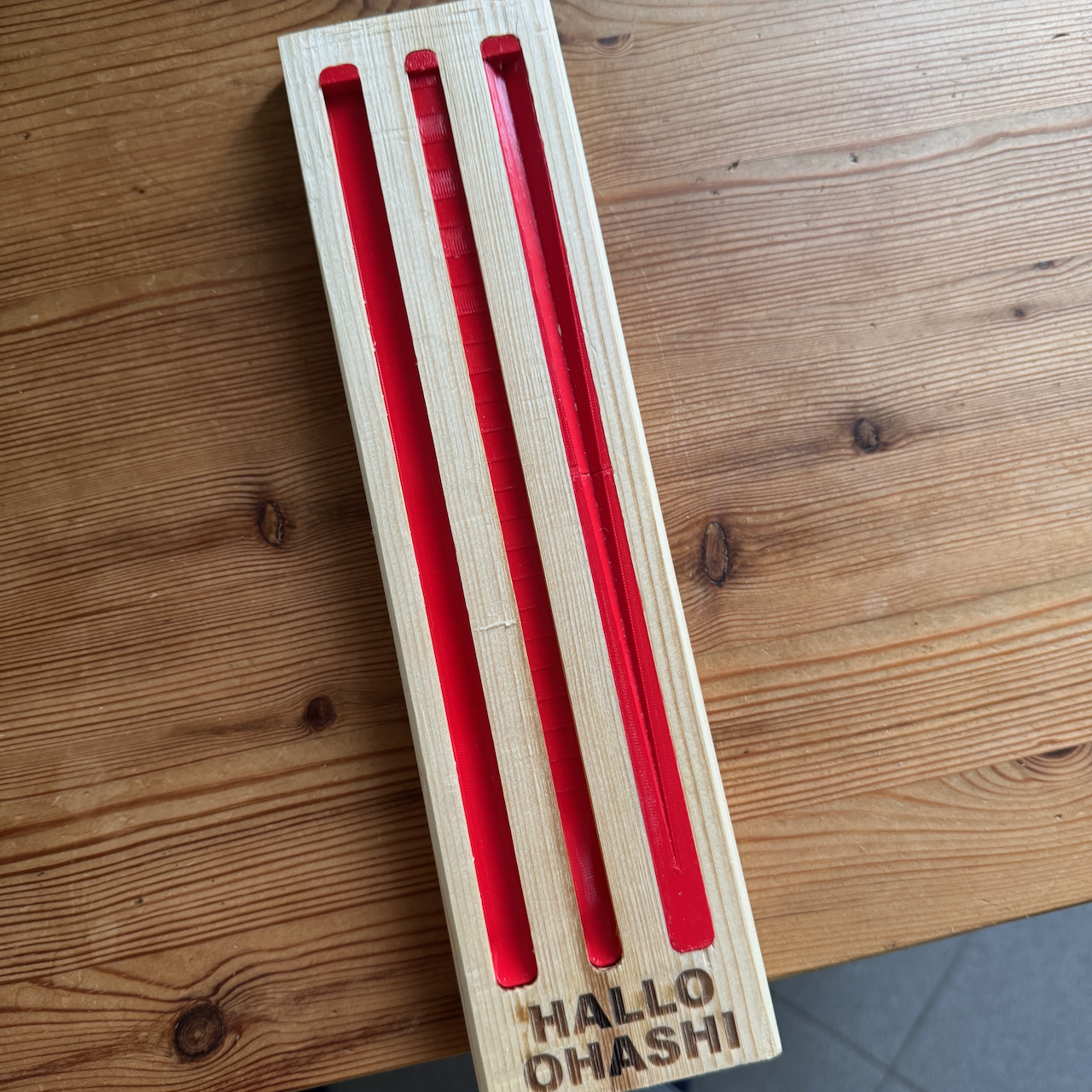
Chopsticks Jig
After researching existing designs, I decided to create my own. My goal is to make it easy to build using materials from local DIY stores and common household tools, so that anyone could make their own chopsticks or even host a workshop themselves.
For the version used in this workshop, I milled the base board with a Shaper Origin. The parts that are more likely to wear out or benefit from easy adjustment were made from TPU using a 3D printer. Although I used Shaper Origin and a 3D printer, the first prototype was built entirely from wooden parts. This means the jig can also be made without access to these tools.
I plan to publish the dimensions and building instructions soon.
Chopsticks Wood
I compared several woods such as beech and spruce. Cherry stood out because it was remarkably easier to plane than the others. Even children could shape it with very little force, while it still offered good durability. I also liked that cherry has a symbolic connection to the cherry blossoms of my home country, Japan.
I'm also interested in using tree branches from garden and offer green woodwork chopstick workshop in the future.
Workshop
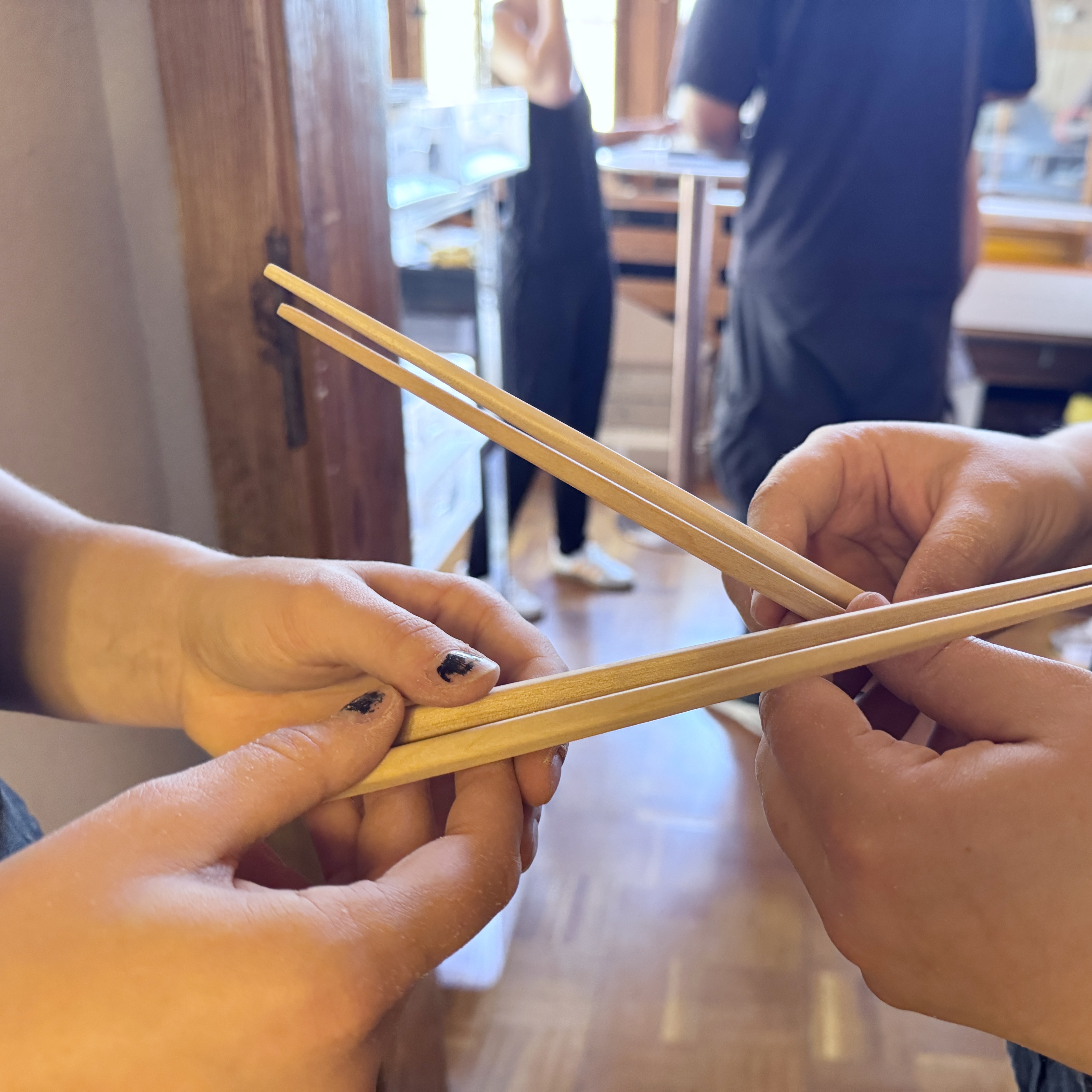
Around 50 people took part in the workshop, ranging from children to adults. Many participants came with their families, siblings, or friends, creating a warm and welcoming atmosphere.
Almost everyone completed their own pair of chopsticks and took them home. The workshop attracted more participants than expected, and at times people had to wait. We even ran out of prepared wood before the event ended. The 3D-printed chopstick helpers featuring the Makers United logo were also very popular.
The workshop also revealed several ideas for improvement. One of the jig components broke during the workshop due to the force applied by participants, showing that it would be a good idea to bring spare parts in the future.
Build a Chopsticks Jig
coming soon



.png)

.png)
.png)
.png)